Batteries, Communication Systems, Controllers, Radio, System, Telemetry, Video
UAV Communication Systems: Radio Links, Telemetry, and Video Transmission
Once a UAV can generate thrust, manage power, and control its motion, it still needs one essential capability to operate effectively: communication.
UAV communication systems connect the aircraft to the operator, to other systems, and sometimes to other aircraft, enabling command, feedback, and situational awareness.
In UAV engineering, communication is not just about range. It is about latency, reliability, interference tolerance, and system integration.
The Role of Communication in a UAV System
As shown in Understanding UAV Architecture: Subsystems and Integration, communication systems sit at the boundary between the UAV and its environment.
They are responsible for:
- Delivering control commands
- Returning telemetry and system status
- Transmitting payload data (often video)
If communication degrades, control authority, safety, and mission effectiveness degrade with it.
Command and Control Links
The command and control (C2) link allows the operator or autonomous system to influence the UAV.
Key characteristics include:
- Latency
- Update rate
- Link robustness
- Failsafe behavior
Low latency is critical for manual control, while reliability and predictability are critical for autonomous or long-range operations.
Telemetry: System Awareness
Telemetry links transmit data from the UAV back to the operator or ground systems.
Typical telemetry data includes:
- Battery voltage and current
- Position, speed, and altitude
- System health and warnings
Telemetry transforms the UAV from a black box into an observable system, enabling informed decisions and fault diagnosis.
Video Transmission and Payload Data
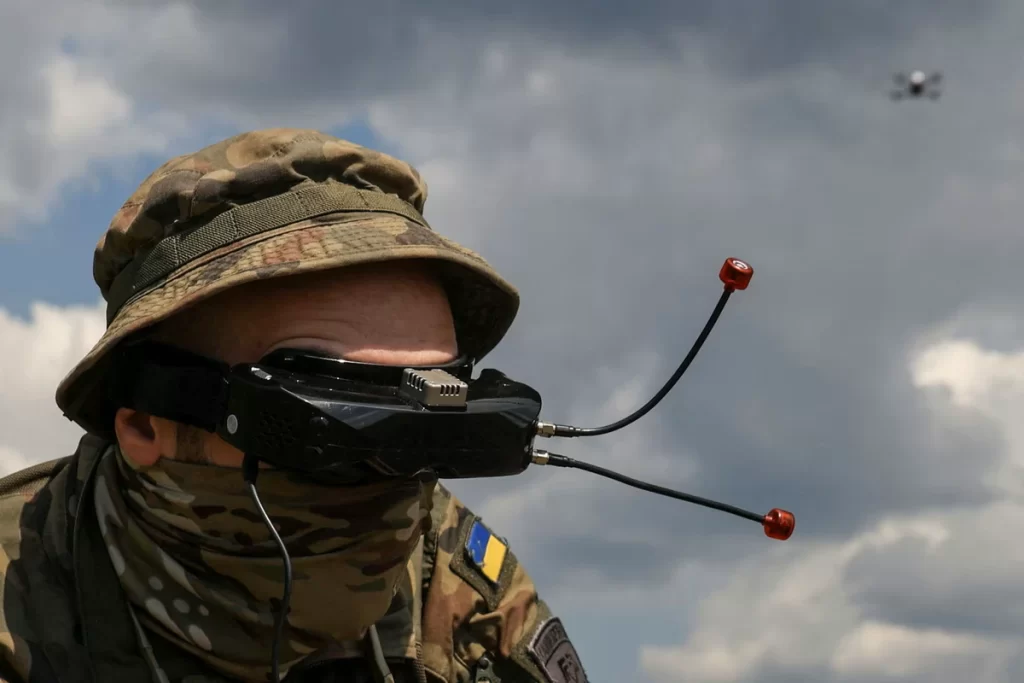
Video links are often the most bandwidth-intensive part of UAV communication.
Key trade-offs involve:
- Resolution vs latency
- Compression vs image quality
- Range vs interference tolerance
In many UAV systems, video performance is limited not by the camera, but by link design and spectrum management.
Antennas, Placement, and Integration
Communication performance depends heavily on:
- Antenna type and radiation pattern
- Placement relative to carbon structures and electronics
- Cable routing and grounding
Poor antenna placement can reduce effective range by orders of magnitude, regardless of radio specifications.
This reinforces the need for system-level integration, not component-level optimization.
Interference and Spectrum Challenges
UAV communication systems must operate in environments crowded with:
- Electrical noise from onboard electronics
- Competing radio systems
- Environmental interference
Managing interference requires:
- Frequency planning
- Physical separation of noisy subsystems
- Clean power distribution
- Proper grounding and shielding
Once again, communication issues are often rooted in mechanical or electrical design, not radio settings.
Communication as a System Constraint
Communication limitations shape:
- Maximum operational range
- Control strategies
- Payload selection
- Mission design
This makes communication a core architectural constraint, not an afterthought.
What Comes Next?
With control and communication established, the final subsystem to analyze is the payload — the part of the UAV that defines its mission.
In the next article, we will explore:
This will complete the subsystem-level UAV architecture series.

Pingback: UAV Flight Control Systems: Sensors, Controllers, and Firmware Logic | UAV Drone Academy
Pingback: Understanding UAV Architecture: Subsystems and Integration | UAV Drone Academy
Pingback: Redundancy and Safety Strategies in UAV Systems | UAV Drone Academy