
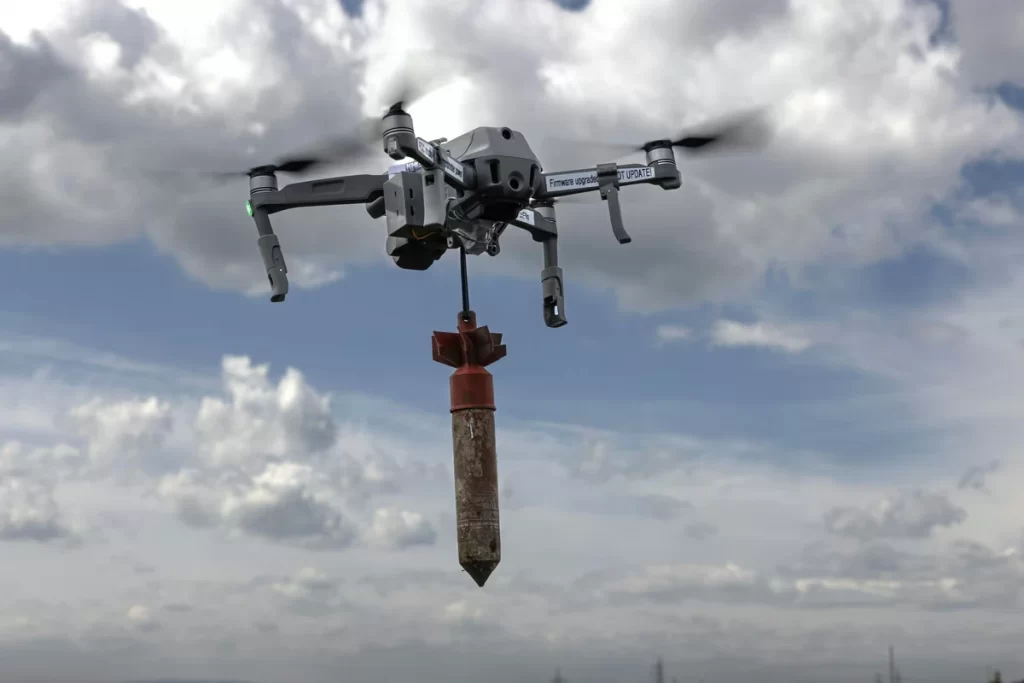
With structure, propulsion, power, control, and communication defined, one final subsystem determines the true purpose of a UAV: the payload.
The payload is what transforms a UAV from an aircraft into a mission platform. Whether carrying a camera, sensor, or specialized equipment, payload integration defines what the UAV is designed to accomplish.
In UAV engineering, payload integration is not simply about mounting hardware. It is about balancing mission requirements against structural, electrical, aerodynamic, and communication constraints.
What Is a UAV Payload?
A payload is any mission-specific component carried by the UAV that is not required for basic flight.
Examples include:
- Optical cameras
- Thermal imaging systems
- LiDAR sensors
- Environmental sensors
- Delivery mechanisms
The payload defines the mission — but it also imposes constraints on the system.
Structural Considerations
Payloads influence:
- Center of gravity
- Structural loading
- Vibration paths
- Mounting geometry
Improper placement can:
- Degrade stability
- Increase control workload
- Amplify vibration
- Reduce airframe durability
This is why payload integration must be considered during airframe design — not after.
Power and Energy Impact
Every payload consumes power.
This affects:
- Battery capacity requirements
- Endurance
- Thermal management
- Voltage regulation stability
High-performance sensors may demand clean, regulated power separate from propulsion lines.
As discussed in UAV Power Systems, poor electrical integration can degrade both flight control and sensor performance.
Communication and Data Bandwidth
Many payloads generate large amounts of data.
This impacts:
- Telemetry bandwidth
- Video transmission capacity
- Latency
- Signal reliability
A high-resolution camera may be limited not by optics, but by communication architecture.
Aerodynamic and Mechanical Trade-Offs
Payloads can:
- Increase drag
- Shift weight distribution
- Change vibration characteristics
Even small changes can alter:
- Thrust requirements
- Energy consumption
- Control responsiveness
This reinforces the importance of system-level thinking.
Payload as a System Driver
Unlike other subsystems, payload often drives the entire UAV design process.
Mission requirements influence:
- Frame size
- Motor selection
- Battery capacity
- Antenna placement
- Control strategies
In many cases, the UAV exists to serve the payload — not the other way around.
Common Payload Integration Mistakes
Typical beginner errors include:
- Adding payload without recalculating center of gravity
- Ignoring additional power draw
- Overlooking vibration isolation
- Assuming communication bandwidth is unlimited
Proper integration requires revisiting the entire system architecture.
What Comes Next?
With payload integration complete, the UAV subsystem architecture series reaches a natural milestone.
The next phase of our content will move beyond individual subsystems and explore:
- System optimization
- Failure analysis and reliability
- Redundancy strategies
- Advanced UAV engineering concepts
This transition reflects the same philosophy discussed in Academic vs Practical UAV Education — understanding individual parts before mastering the whole.

Pingback: UAV System Integration: How Subsystems Work Together Under Real Constraints | UAV Drone Academy
Pingback: The UAV Engineering Learning Path: Beginner to Advanced