
Intermediary, System
UAV System Integration: How Subsystems Work Together Under Real Constraints
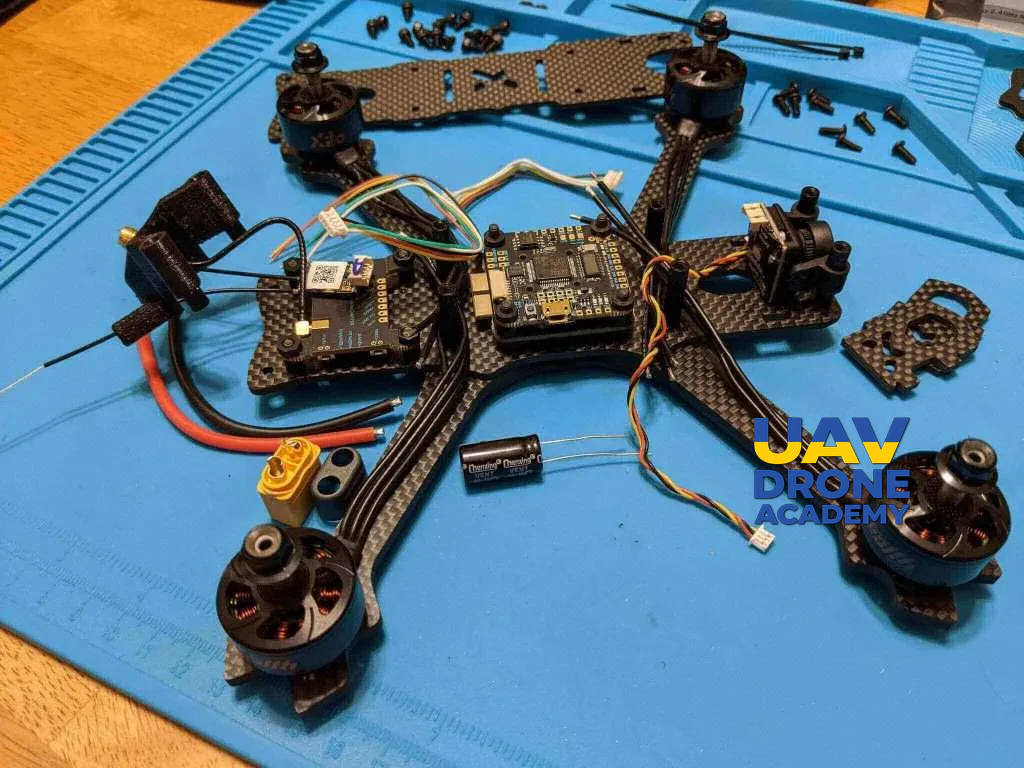
After analyzing each UAV subsystem individually, the next level of engineering maturity is understanding how they operate simultaneously under real constraints.
In real-world UAV projects, subsystems do not behave in isolation.
They interact continuously, compete for resources, and influence one another in ways that are often non-obvious.
True UAV engineering begins when we stop thinking in components and start thinking in dynamic system behavior.
Simultaneous Interaction: A Real-Time System
A UAV in flight is not a collection of subsystems operating sequentially.
It is a real-time system where:
- Propulsion generates thrust
- Power distributes fluctuating current
- Flight control processes noisy sensor data
- Communication transmits commands and telemetry
- Payload generates data and consumes energy
All of this happens at the same time.
A change in one subsystem instantly propagates through the rest of the system.
Where Real Conflicts Emerge
Subsystem conflicts typically arise at boundaries:
Power vs Propulsion
Higher thrust demand increases current draw, which:
- Causes voltage sag
- Introduces electrical noise
- Impacts flight controller stability
Payload vs Endurance
Adding a heavier sensor:
- Shifts center of gravity
- Increases required thrust
- Reduces flight time
Communication vs Structure
Carbon fiber improves rigidity but:
- Attenuates radio signals
- Alters antenna radiation patterns
Vibration vs Control
Stiffer frames reduce flex but:
- May shift resonance frequencies
- Affect IMU signal quality
These conflicts are normal — they are not design failures.
They are integration realities.
Decision Propagation: Engineering Consequences
When an engineer changes one parameter, multiple subsystems react.
For example:
- Increasing propeller diameter:
- Improves thrust efficiency
- Raises torque demand
- Increases structural stress
- Changes battery discharge profile
- Upgrading to a higher-resolution camera:
- Raises bandwidth demand
- Increases power consumption
- Requires thermal management
Every decision has secondary and tertiary effects.
This propagation is what defines system integration.
Engineering Under Constraints
Real UAV projects operate under constraints such as:
- Weight limits
- Regulatory ceilings
- Thermal margins
- Budget constraints
- Environmental conditions
Optimization is rarely about maximizing performance.
It is about achieving mission success within defined boundaries.
This system-level reasoning builds directly on the subsystem foundations discussed in:
- Understanding UAV Architecture: Subsystems and Integration
- UAV Payload Integration: Mission Design and System Trade-Offs
How Engineers Think Integration
Experienced UAV engineers ask:
- What subsystem becomes the bottleneck first?
- Where are the tightest margins?
- What is the dominant failure mode?
- How will environmental stress amplify weaknesses?
They think in terms of:
- Margins
- Coupling
- Stability
- Trade-offs
Not just parts.
What Comes Next?
Now that we understand how subsystems interact under real constraints, the next step is to formalize those interactions.
In the next article, we will explore:
UAV System Integration: Managing Interdependencies and Trade-Offs
This will move from descriptive interaction analysis to structured engineering decision frameworks.

Pingback: UAV System Integration: Managing Interdependencies and Trade-Offs | UAV Drone Academy
Pingback: The UAV Engineering Learning Path: Beginner to Advanced